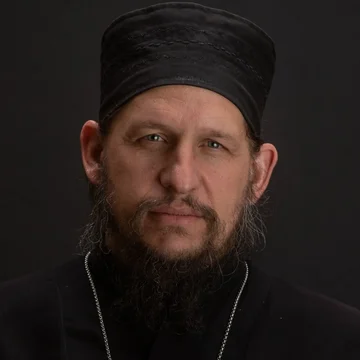
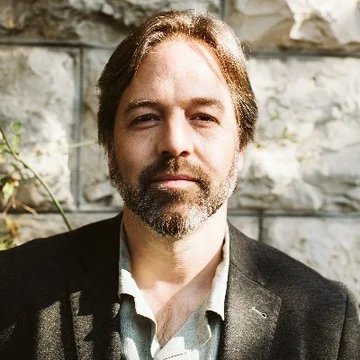
John Heers is a writer, cultural anthropologist, and founder of the nonprofit First Things Foundation, an organization dedicated to recovering the ancient human practices of hospitality, community, and local tradition. His work has taken him from villages in Africa and the Caucasus to the dinner tables of New York City, where he has spent years learning how communities are formed—not by shared opinions, but by shared sacrifice, memory, and love.
Known by many for reviving the ancient Georgian tradition of the tamada—the toastmaster who guides a feast toward wisdom, gratitude, and joy—John believes that a table can become one of humanity's greatest classrooms. Through stories, toasts, and attentive conversation, he has hosted countless gatherings that challenge modern assumptions while reconnecting people to older ways of seeing the world.
John's own journey toward Orthodox Christianity began not in a classroom but through encounters with traditional cultures whose rhythms of prayer, fasting, hospitality, and communal life raised an unsettling question: Had Christianity once looked very different from the version he had inherited? That question eventually led him into the life of the ancient Church, where history, worship, and community converged in unexpected ways.
At the heart of John's work is a conviction that modern Western culture has produced extraordinarily capable individuals, yet often at the expense of genuine community. His years living among older societies convinced him that many of the assumptions modern people take for granted are neither universal nor inevitable. That perspective has made him an unusually perceptive guide through questions of culture, identity, and faith.
In Christianities, John serves as both host and fellow traveler. Rather than offering easy answers, he invites viewers to step outside the assumptions they have inherited and ask the oldest questions again: What is Christianity? Who is Christ? What is the Church? What is the Bible? Along the way, audiences will encounter monks and missionaries, philosophers and pastors, villagers and scholars, ancient traditions and modern movements—all while sharing in John's unmistakable blend of humor, curiosity, irreverence, and deep love for people.
Above all, John believes that truth is not only argued but encountered—that beauty is a form of evidence, hospitality is a form of theology, and that the best conversations, like the best feasts, leave everyone at the table changed.